




18 Jul The Ultimate Guide to Video Marketing for Small Businesses
In today’s digital landscape, video marketing is a game-changer for small businesses. Want to grab your audience’s attention and leave a lasting impression?
Look no further than the power of video. With its ability to engage and connect, video marketing has become essential in reaching your target market effectively.
Small businesses can harness the potential of video marketing to elevate their brand awareness and expand their customer base.
By incorporating captivating videos into your marketing strategy, you can differentiate yourself from competitors and drive higher conversion rates. It’s all about standing out in a crowded marketplace and making an impact that resonates with your audience.
Don’t miss out on this golden opportunity. Embrace video marketing as an integral part of your business strategy, and watch as it propels your small business towards success.
Let’s dive into why video marketing matters for small businesses and explore the endless possibilities it offers.
So, are you ready to take your business to new heights through the magic of video? Let’s get started!

Benefits of Video Marketing for Small Business
Videos have become an essential tool for small businesses to market their products or services effectively. The benefits of video marketing are numerous, ranging from increased engagement to improved conversion rates.
Higher Engagement Rates
One of the primary benefits of video marketing is its ability to captivate audiences and generate higher engagement rates than other forms of content.
Videos have a unique way of conveying information that resonates with viewers, making them more likely to watch, like, comment, and share. This increased engagement translates into tangible results for small businesses.
When a business incorporates videos into its marketing strategy, it can expect a boost in website traffic. Engaging videos attract visitors and encourage them to spend more time on the site exploring what the business has to offer.
As a result, the average time spent on the site increases, indicating that potential customers are genuinely interested in the presented content.

Improved Email Campaign Performance
Another significant benefit of video marketing for small businesses is its impact on email campaigns. Including videos in email newsletters or promotional messages can significantly improve click-through rates and drive more conversions.
Videos stand out in crowded email inboxes and capture recipients’ attention better than plain text or static images alone.
By leveraging videos in email campaigns, small businesses can convey their message more effectively and engage subscribers deeper.
This heightened level of engagement ultimately leads to higher click-through rates as viewers are enticed to take action after watching the video.
Showcasing Products or Services
Video marketing allows small businesses to showcase their products or services in an engaging way that helps potential customers make informed purchasing decisions.
Through well-crafted videos, businesses can highlight product features, demonstrate functionality, provide tutorials, and even share customer testimonials.
Here’s a great example for Webflow:
By visually presenting their offerings through videos, small businesses create a stronger emotional connection with their target audience.
Viewers can see the product or service in action, understand its value proposition, and envision how it can solve their problems or fulfill their needs.
This immersive experience helps build trust and credibility, making potential customers more likely to convert.
Getting Started with Small Business Video Marketing
If you want to start your video marketing for your business, follow this step-by-step guide:
1. Determine your goals and target audience before creating video content
Before diving into the world of small business video marketing, it is essential to determine your goals and identify your target audience. This initial step will lay the foundation for a successful video marketing strategy.
Consider what you hope to achieve through your videos.
Are you looking to increase brand awareness, drive traffic to your website, or generate leads? Understanding your objectives will help shape the content and tone of your videos.
It’s crucial to define your target audience. Who are you trying to reach with your videos? Knowing their demographics, interests, and pain points will enable you to create content that resonates with them.
By tailoring your videos specifically to this group, you can effectively communicate your message and capture their attention.
2. Invest in quality equipment such as cameras, microphones, and lighting to ensure professional-looking videos
To produce high-quality videos that leave a lasting impression on viewers, investing in quality equipment is vital.
A small business owner venturing into video marketing should consider purchasing a decent camera capable of capturing clear images and vibrant colours. This will enhance the overall visual appeal of your content.
In addition to cameras, investing in good microphones is equally important. Crisp audio ensures that viewers can hear every word clearly without any distractions. Whether using lapel microphones or shotgun mics, choose one that suits the style of videos you plan on creating.
Don’t forget about lighting! Proper lighting can significantly impact how professional and engaging your videos appear.
Natural light is ideal when shooting outdoors or near windows; however, if indoors or during darker hours, invest in affordable lighting kits or ring lights for optimal illumination.
3. Plan your video content by outlining scripts or storyboards to maintain a clear message throughout
The production process for small business videos involves careful planning and organization. To ensure a clear message throughout each video, it is beneficial to plan and outline your content in advance. This can be achieved through scripts or storyboards.
Scripts provide a written structure for your videos, ensuring that you cover all the necessary points and maintain a cohesive narrative. They help you stay on track during filming and eliminate unnecessary tangents.
Storyboards, on the other hand, are visual representations of each scene in your video. They allow you to visualize how shots will flow together and ensure that your message is effectively conveyed through visuals.
Using scripts or storyboards, you can streamline the production process and create videos that effectively communicate your intended message.
Check out this awesome guide to learn more about preparing your video scripts:
4. The next step: Click!
Now that you have determined your goals, invested in quality equipment, and planned your video content, it’s time to take the next step – sharing your videos with the world!
Start by uploading them to popular video platforms such as YouTube or Vimeo. Embedding these videos on your website or sharing them across social media channels will expand their reach even further.
Remember, video marketing for small businesses is an ongoing process. Regularly analyze the performance of your videos using analytics tools provided by platforms like YouTube.
Pay attention to metrics such as views, engagement rates, and click-through rates. This data will guide future decisions and help refine your video marketing strategy.
16 Expert Tips for You to Success in Video Marketing
Video marketing has become an essential component of any small business’s marketing strategy.
With the rise of online platforms and the increasing popularity of video content, leveraging videos can help businesses reach a wider audience and drive engagement.
To ensure your video marketing efforts are effective, consider the following tips:
Keep Videos Short and Concise
In today’s fast-paced digital world, attention spans are shorter than ever. To capture your viewers’ attention, it is crucial to keep your videos short and concise.
Delivering your key message within the first few seconds is essential to hook your audience and encourage them to continue watching.
Avoid lengthy introductions or unnecessary details; instead, focus on grabbing viewers’ attention from the start.
For example, if you’re creating explainer videos for your product or service, make sure they quickly highlight the main benefits and features that set you apart from competitors.
Check out this video if you want to create a killer YouTube video:
Optimize Video Titles, Thumbnails, Descriptions, and Tags
To maximize visibility in search engine results, it is important to optimize your video titles, descriptions, and tags with relevant keywords.
Here are a few basic strategies you should take note:
- Conduct keyword research to identify terms that resonate with your target audience.
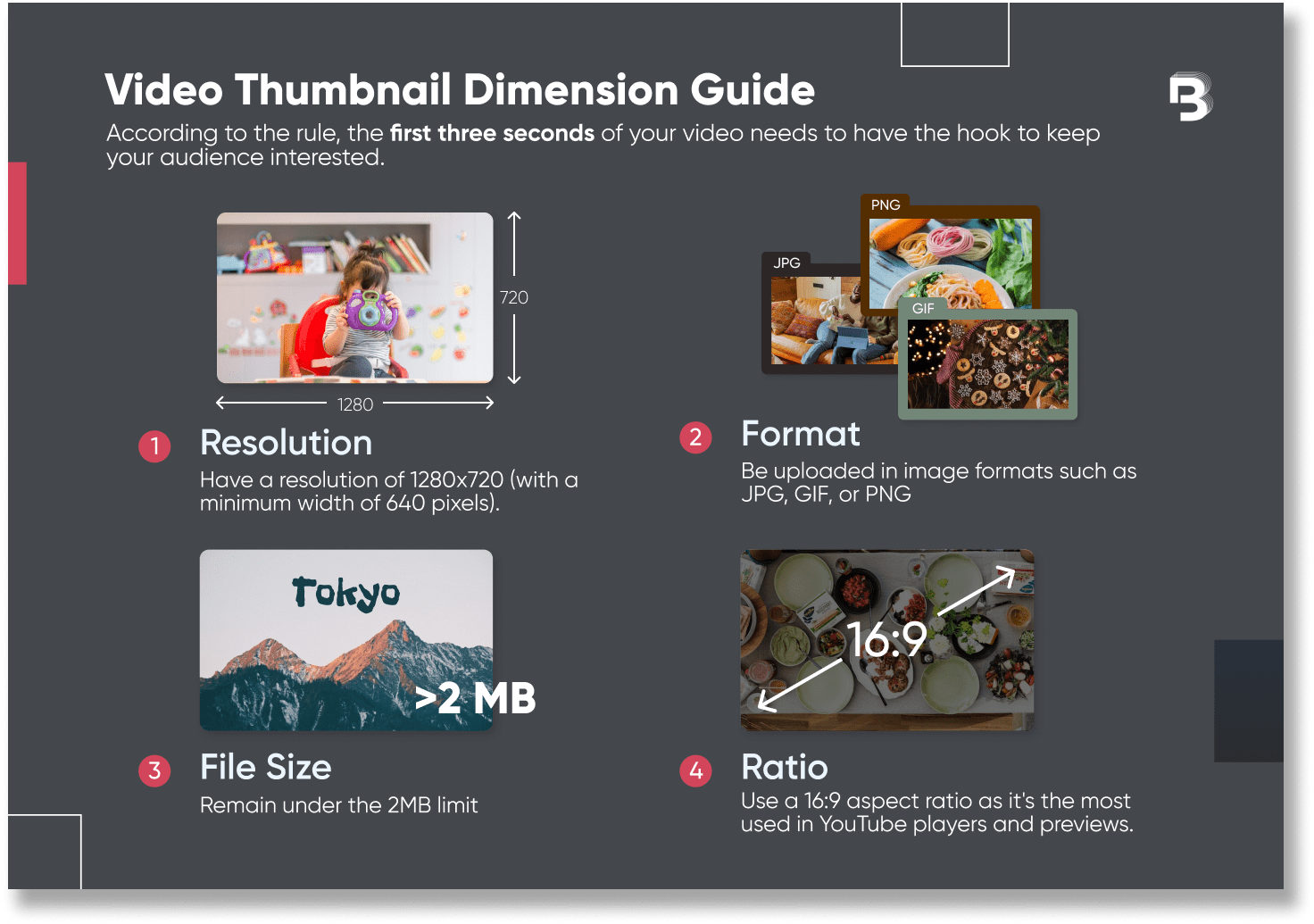
- Creating compelling thumbnails that accurately represent the content and entice clicks.
- Craft compelling titles that accurately describe what viewers can expect from your video content.
- Incorporate relevant keywords naturally into both the title and description while providing valuable information about what viewers will learn or gain by watching.
- Use appropriate tags that align with the topic of your video. This helps search engines understand its relevance and improves its chances of appearing in related searches.
To create a good video thumbnail, make sure you follow this:
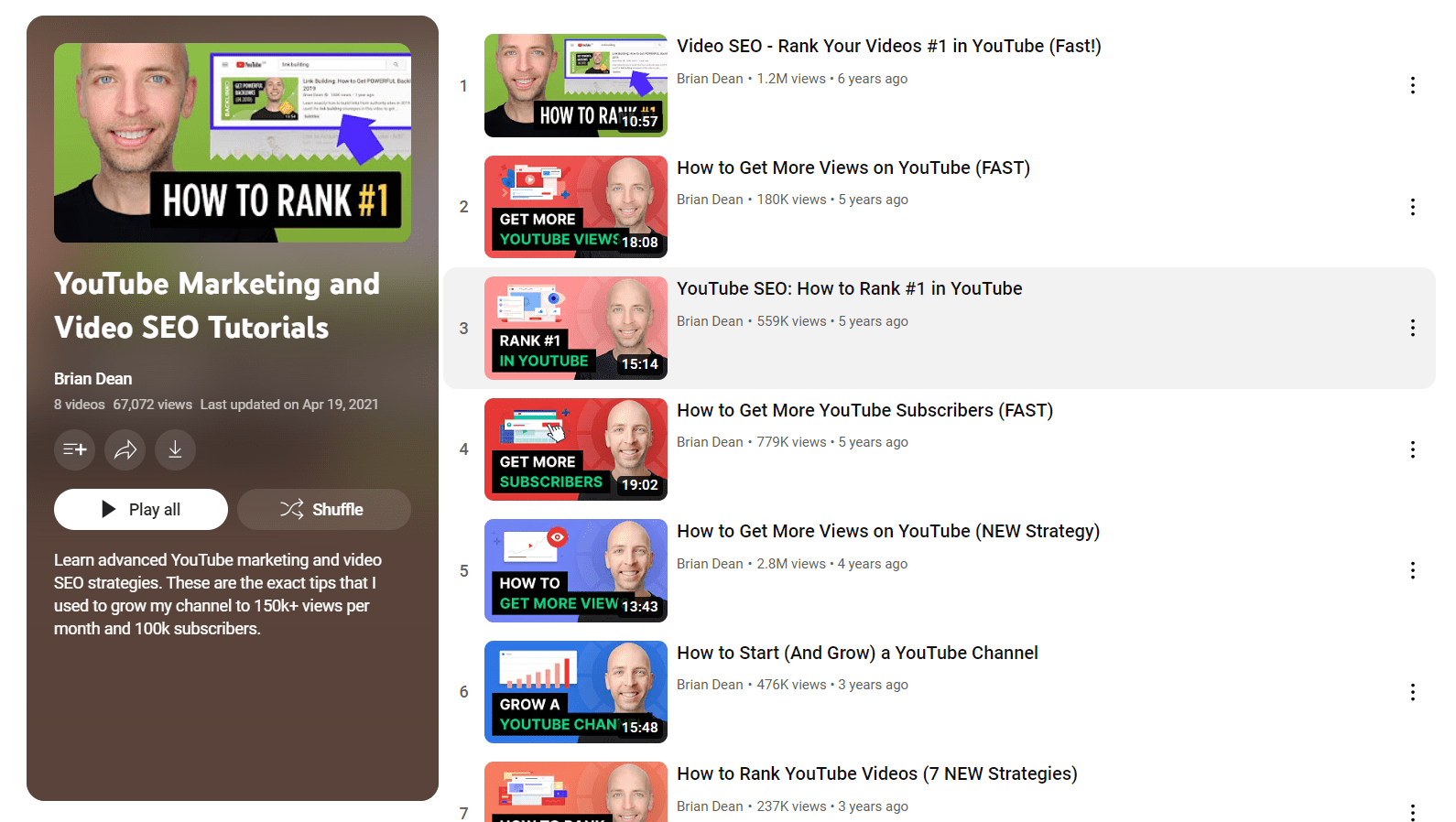
 SEO expert Brian Dean also has shared various cool techniques you can use to boost your video SEO:
Remember that consistency and trustworthiness across all elements are crucial keys – make sure that both the thumbnail and title align with the actual content of the video.
Anyway, if you’re looking to leverage the full potential of SEO for your video marketing efforts but find yourself struggling to navigate the complexities, it’s time to partner with an experienced SEO agency.
With their expertise and knowledge, they can provide tailored strategies to boost your online visibility, drive organic traffic, and increase brand awareness. You can explore various professional SEO services that can help you maximize the impact of your video content and elevate your online presence.
Use call-to-actions (CTAs) at the end of videos
One of the primary goals of video marketing is to prompt viewers to take action after watching. Including clear call-to-actions (CTAs) at the end of your videos can guide viewers towards desired actions such as subscribing to your channel or visiting your website.
For instance, if you have an educational video series on a specific topic related to your industry, encourage viewers to subscribe for updates on future videos.
Alternatively, if you’re promoting a specific product or service, direct viewers to your website’s landing page where they can find more information or make a purchase.
By strategically placing CTAs in your videos, you can increase engagement and drive conversions among your target audience.
Create educational or how-to videos that provide value to your target audience
One of the most effective ways to engage viewers is by providing them with valuable information through educational or how-to videos.
By sharing your expertise and offering solutions to common problems, you establish yourself as a trusted authority in your industry.
Business with The Cake Mama is a wonderful example of how small businesses can use video marketing to grow their business. Janelle, the founder of Cake Mama frequently shares various educational videos about her bakery shop, which truly helps her to grow her online presence.
Collaborate with influencers or industry experts who align with your brand values for increased exposure
Partnering with influencers or industry experts can significantly boost the reach and credibility of your video content.
Identify individuals with a strong online presence and whose values align with your brand’s ethos. This collaboration can take various forms, such as featuring them in guest interviews or having them endorse your products/services within the video.
Their endorsement will help attract their followers to watch and share your videos.
An excellent example is Ali Abdaal. Recently he started a new YouTube Channel, Deep Dive with Ali Abdaal, where he interviews industry experts and influencers to talk about deep things.
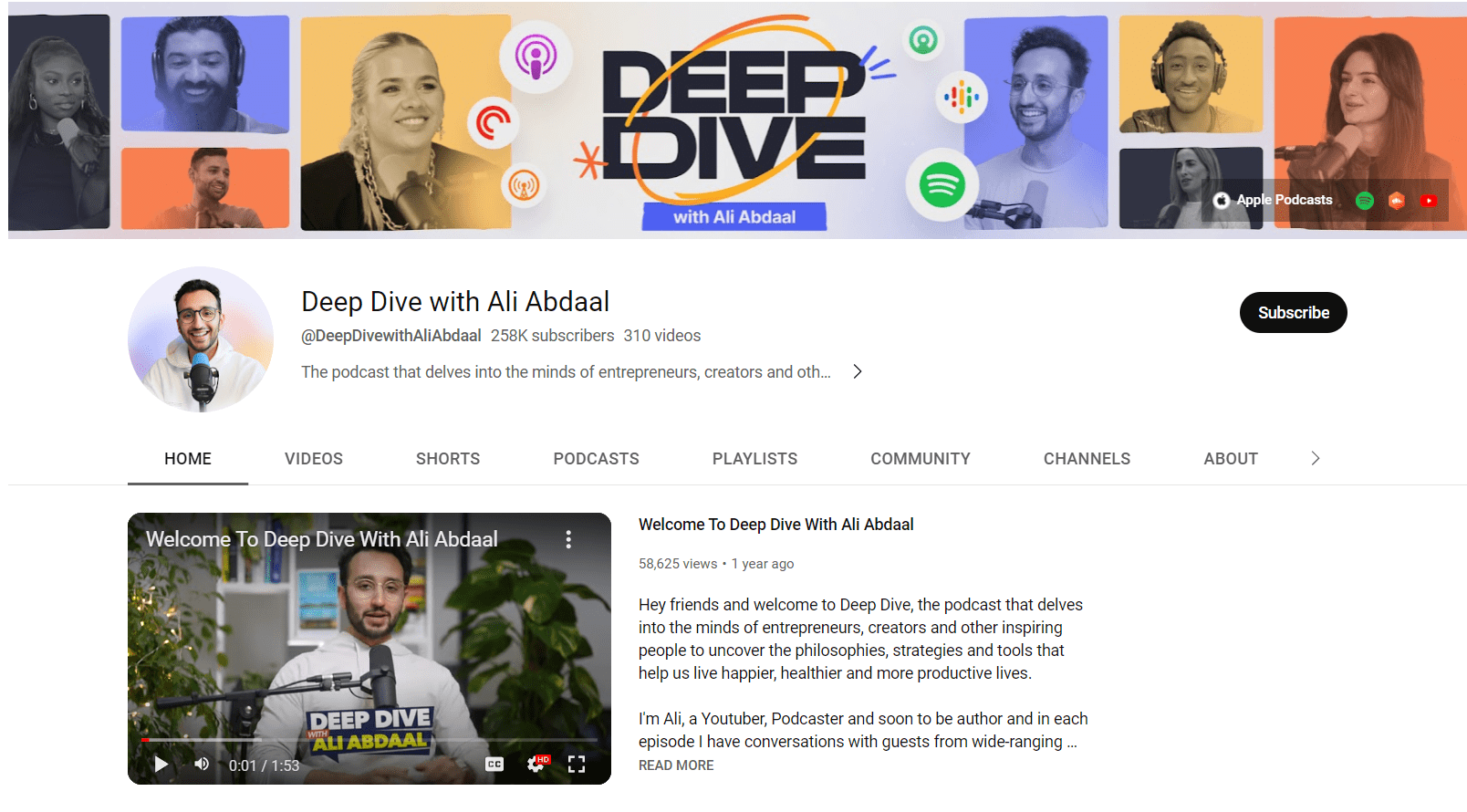
Although he’s not running any local business, you can see that collaborating with influencers in your industry can definitely help your video and brand stand out.
Experiment with different types of videos such as testimonials, product demos, or behind-the-scenes footage to keep viewers engaged
To maintain viewer interest and avoid monotony, it’s important to diversify the types of videos you create.
Testimonials from satisfied customers are powerful social proof that can build trust among potential customers.
Product demos allow you to showcase the features and benefits of your offer while giving viewers a firsthand look at how it works.
Sharing behind-the-scenes footage gives an authentic glimpse into your business operations and fosters a sense of connection with your audience.
When creating these videos, pay attention not only to the content but also to the technical aspects such as camera angles and sound quality.
A professional-looking video with good camera angles and clear sound will leave a lasting impression on your viewers.
Set specific goals and develop a video marketing strategy tailored to your business
Before diving into video production, define clear goals for your video marketing efforts.
Whether it’s increasing brand awareness, driving website traffic, or boosting sales conversions, having well-defined objectives will help you measure the success of your videos.
Once you have established your goals, develop a comprehensive video marketing strategy that aligns with them.
Consider the following steps when developing your strategy:
- Identify your target audience: Understand who you create videos for to ensure they resonate with the right people.
- Determine the platforms: Research which platforms (YouTube, Instagram, Facebook) are best suited for reaching your target audience.
- Plan content creation: Outline a content calendar with topics, formats, and release dates to maintain consistency.
- Promote and distribute: Develop a plan to promote and distribute your videos across various channels to maximize their reach.
- Measure and analyze: Regularly track metrics such as views, engagement rates, and conversion rates to assess the effectiveness of each video.
Transcribe your video content into text format
One effective way to enhance the search engine optimization (SEO) of your video content is by transcribing it into text format.
By doing so, search engines can index the keywords used in your videos, making it easier for users to find them through organic searches.
Including a transcript alongside your video provides an accessible alternative for individuals with hearing impairments or who prefer reading over watching videos.
Check out this video to transcribe your video to text effectively:
Embed videos directly on your website pages
While popular video hosting platforms like YouTube and Vimeo can certainly help drive traffic to your videos, relying solely on these platforms may limit the SEO potential of your content. Instead, consider embedding videos directly on relevant pages of your website.
This approach not only keeps visitors engaged on your site but also improves its overall SEO performance. When embedding videos, be sure to optimize surrounding text with relevant keywords and provide a clear context for viewers.
Share Across Multiple Social Media Channels
To ensure that your videos gain maximum exposure, it is important to share them across multiple social media channels.
Each platform offers a unique user base and demographic, allowing you to tap into new audiences who may be interested in what your business has to offer.
While it’s good to share your videos on popular social media sites like Facebook, Instagram, Twitter, LinkedIn, and YouTube, check out these 4 secret websites if you want to get more views:
Tailor Content for Different Platforms
Different social media platforms have varying video requirements and audience preferences. To maximize your reach and engagement, tailor your content for each platform accordingly.
For example, on Instagram, short videos or mini clips work best due to the platform’s emphasis on visual storytelling.
On YouTube, both short-form videos with entertaining content and long-form videos with in-depth explanations or tutorials work well.
By adapting your content to suit the unique characteristics of each platform, you can effectively engage with your target audience.
Encourage Engagement and Organic Reach
Engagement plays a vital role in promoting your videos on social media platforms. When viewers like, comment, and share your videos, it not only increases organic reach but also boosts social proof by showcasing that others find value in your content.
Encourage viewers to engage with your videos by asking questions or inviting them to share their thoughts in the comments section.
Make sure to respond promptly to comments and foster conversations around your video content.
You gonna love this video if you hope to get more engagement:
Utilize Paid Advertising Options
While organic reach is important, utilizing paid advertising options on social media platforms can significantly enhance the visibility of your videos.
These ads allow you to target specific demographics based on factors such as age, location, interests, and behaviour. By narrowing down your audience targeting parameters, you can ensure that your video reaches those who are most likely to be interested in what you have to offer.
When creating video ads, keep them concise, captivating, and aligned with your brand identity.
You need to grab viewers’ attention within the first few seconds to prevent them from scrolling past. Incorporate compelling visuals, a clear call-to-action (CTA), and a sense of urgency to encourage immediate action.
Also, try to experiment with different ad formats and placements each platform offers to find what works best for your business.
Here are some ways you can leverage paid advertising options:
- Facebook Ads: Utilize Facebook’s robust ad platform to create targeted campaigns that showcase your videos to relevant users.
- Instagram Ads: Take advantage of Instagram’s visually-driven platform to promote your videos through sponsored posts or stories.
- YouTube Ads: Consider running TrueView ads on YouTube, which allow you to pay only when viewers watch a significant portion of your video.
- LinkedIn Ads: If your target audience is professionals or B2B clients, explore LinkedIn’s advertising options to reach decision-makers in various industries.
Well, it’s not easy to setup and create campaigns for ads but you can learn more about YouTube Ads from this great video:
Monitor Video Analytics Regularly
To ensure the success of your video marketing efforts, it’s important to monitor video analytics regularly.
By analyzing viewer behaviour and engagement metrics, you can gain valuable insights into what resonates with your audience and make data-driven decisions for future content creation.
Monitor metrics such as view count, watch time, likes, comments, and shares. Identify patterns and trends in viewer preferences to refine your strategy further.
Here’s a video for you on how to analyse your YouTube data analytics:
Incorporate Storytelling Techniques
One effective way to create a lasting impact with your videos is by incorporating storytelling techniques.
Storytelling helps establish an emotional connection with viewers, making them more likely to remember your message and take action.
Craft narratives that align with your brand values and engage viewers deeper.
Share real-life stories or experiences that relate to your product or service.
This humanizes your brand and builds trust among potential customers.
If you need an inspiration, check out videos by various Thailand companies, such as this one:
Continuously Test and Optimize
A successful video marketing strategy requires constant testing and optimization based on audience feedback and performance metrics.
Experiment with different types of videos such as product demonstrations, customer testimonials, behind-the-scenes footage, or educational content.
Then, analyze how each type performs regarding engagement levels and conversions.
You can use A/B testing methods to compare variations in thumbnails, titles, descriptions, or calls-to-action (CTAs).
By continuously refining your approach based on data-driven insights, you can improve the effectiveness of your videos over time.
Conclusion
Now that you understand the significance of video marketing for small business success, it’s time to take action. Start by identifying how videos can enhance your current marketing strategies or fill gaps in reaching your target audience effectively.
If you’re struggling to produce high-quality videos consistently, consider investing in professional assistance from a reputable video production agency that aligns with your goals and budget.
They will bring expertise in crafting visually appealing and engaging videos tailored specifically to your business needs.
Don’t miss out on the opportunities that video marketing presents for growing your small business.
Embrace this dynamic medium today and watch as it propels you towards achieving greater brand visibility, customer loyalty, and increased revenue.
FAQs
1. How much does it cost to hire a video production agency?
The cost of hiring a video production agency can vary depending on factors such as the complexity of your project, the length of the video, and the level of expertise required. Contact us and discuss your specific requirements to get accurate pricing information.
2. How long does it take to produce a professional video?
The timeline for producing a professional video can vary depending on the project’s scope. Factors such as pre-production planning, scriptwriting, filming, editing, and revisions all contribute to the overall time frame. Reach out to us if you wish to establish realistic timelines based on your project’s requirements.
3. Can I use my smartphone for video marketing instead of hiring an agency?
While smartphones have improved in terms of camera quality and accessibility, professional video production agencies offer expertise in storytelling, visual aesthetics, and technical aspects that can significantly enhance the quality and impact of your videos. Hiring an agency ensures a polished and professional result that aligns with your brand image.
4. How can I measure the success of my video marketing efforts?
There are several metrics you can track to measure the success of your video marketing campaigns. These include views, engagement (likes, comments), click-through rates (CTRs), conversion rates, and audience retention. Analyzing these metrics will provide insights into how well your videos are performing and help you make data-driven decisions for future strategies.
5. Are there any legal considerations when using music or copyrighted video materials?
Yes, using copyrighted material without proper permission or licensing can lead to legal issues. It is essential to either create original content or obtain appropriate licenses for any music or visuals used in your videos. Copyright laws may vary by jurisdiction, so it’s advisable to consult legal professionals or use royalty-free resources for peace of mind.
6. How often should I release new videos for my small business?
The frequency of releasing new videos for your small business depends on various factors, including your target audience, available resources, and marketing goals.
Consistency is key, whether it’s weekly, bi-weekly, or monthly. Regularly providing fresh video content helps keep your audience engaged and builds anticipation for future releases.
7. Can video marketing help improve my website’s SEO?
Yes, incorporating video content into your website can positively impact its search engine optimization (SEO). Check out this guide for more information.