



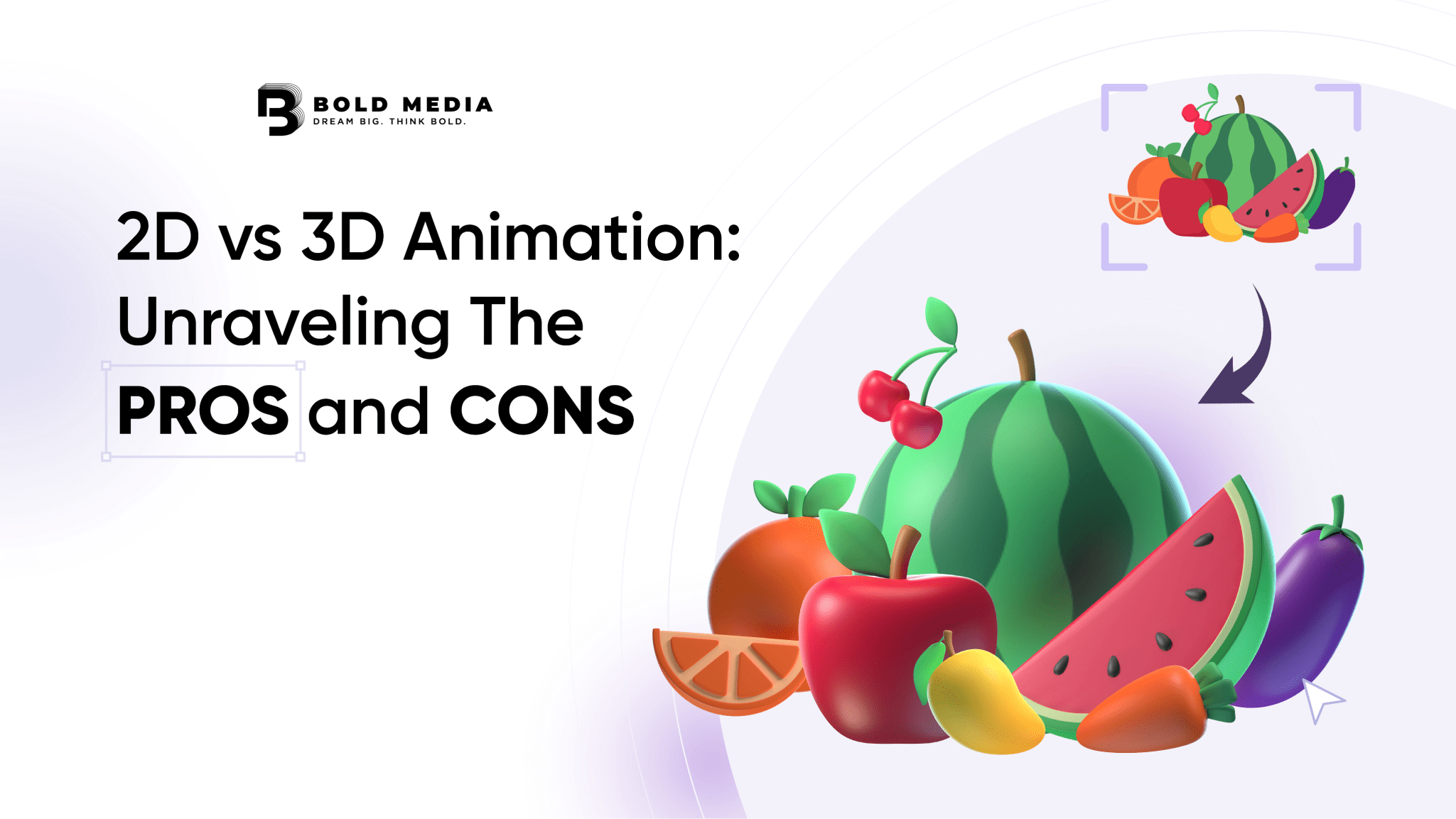
31 Jul 2D vs 3D Animation: Unraveling The Pros and Cons
Ever wondered how your favourite animated movies come to life? Animation is the secret ingredient that brings static images to life through movement and storytelling.
From traditional 2D animation to cutting-edge 3D animation, the world of animation offers endless possibilities for artists and filmmakers alike.
In 2D animation, skilled animators bring characters and scenes to fruition using two-dimensional drawings.
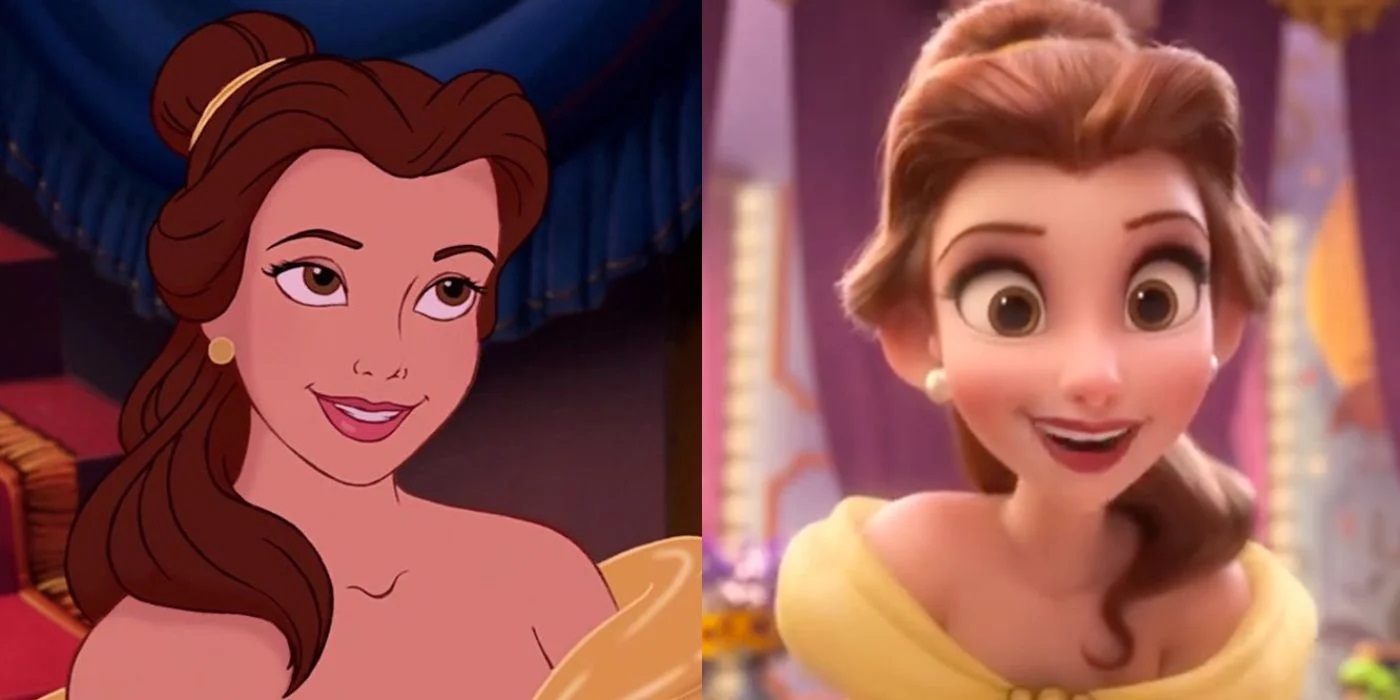
On the other hand, 3D animation takes it a step further by creating lifelike characters and environments in a three-dimensional space using computer graphics and sophisticated techniques.
Both types of animation have their unique features and applications. While 2D animations often evoke nostalgia with their hand-drawn charm, 3D animations offer stunning realism with meticulously crafted models.
Whether you aspire to become an animator or simply appreciate animated films, understanding the differences between these two worlds will deepen your appreciation for this captivating art form.
So, let’s dive into the exciting realms of traditional 2D animation and cutting-edge 3D animation!
Understanding the Differences: 2D vs 3D Animation
In the world of animation, two prominent techniques stand out: 2D and 3D animation. Both have their unique characteristics and applications that set them apart. Let’s delve into the differences between these two captivating forms of visual storytelling.
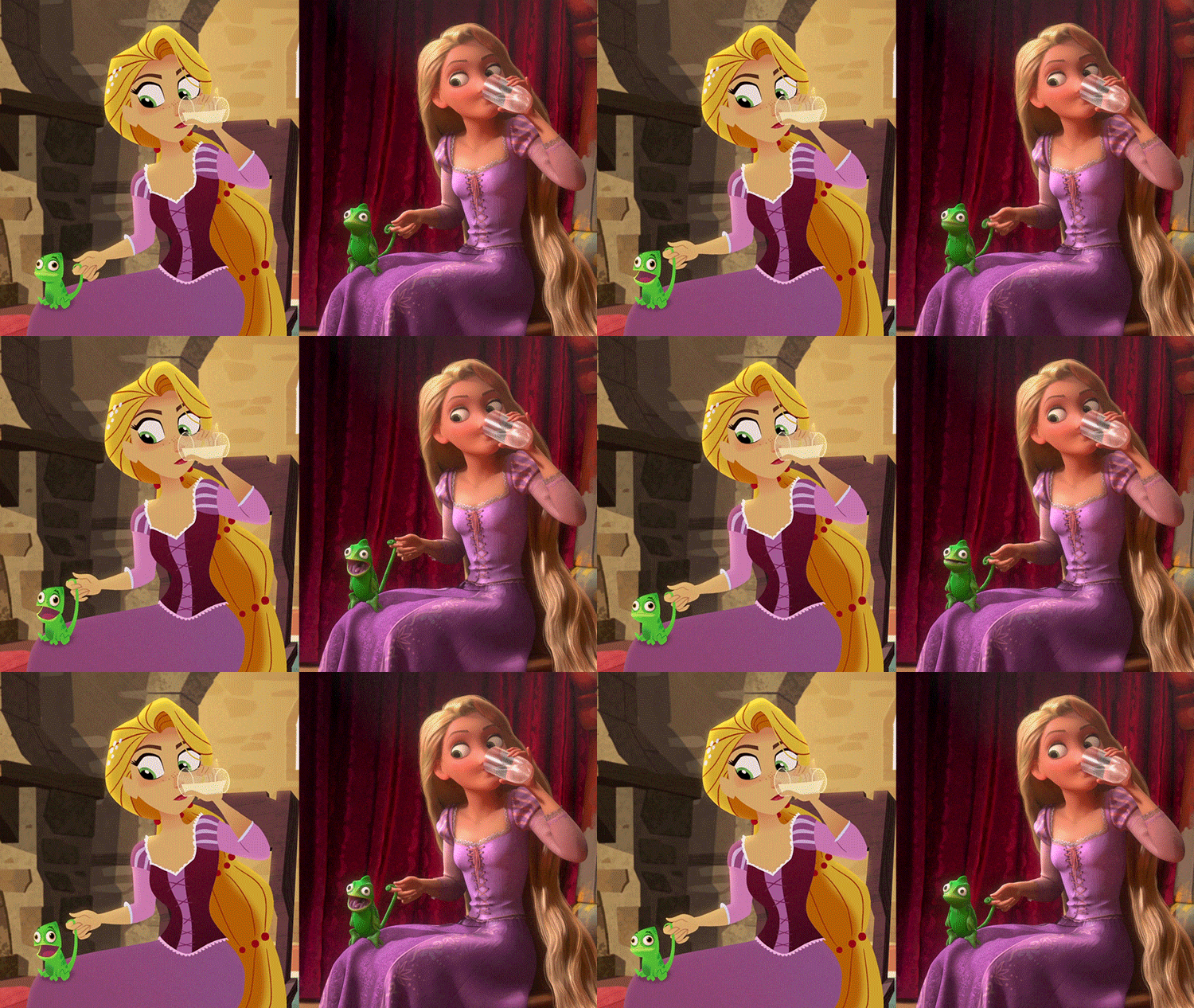
2D Animation: Simplicity and Traditional Charm
In 2D animation, characters are brought to life using flat, hand-drawn or digitally created images.
This technique has been around for decades and is deeply rooted in traditional artistry. It offers a simplicity that can be both nostalgic and visually appealing.
With 2D animation, artists create each frame by hand or through digital tools, giving it a distinct artistic touch.
This technique allows for more control over character movements and expressions. The lack of depth in the visuals lends itself well to certain styles like cartoons, comic books, and even some video games.
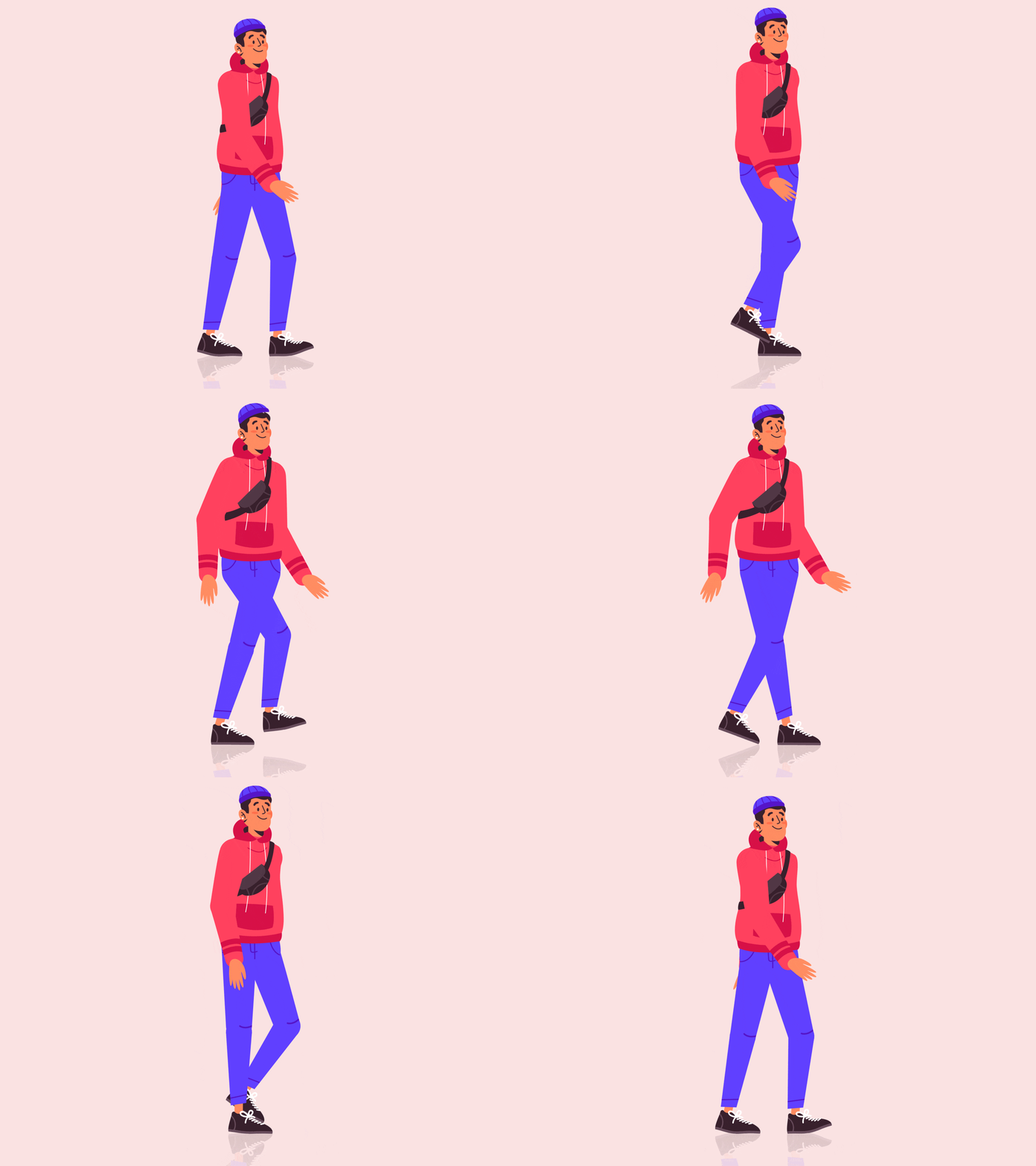
Moreover, 2D animation often requires fewer resources compared to its three-dimensional counterpart. It is easier to produce on a smaller budget or within tighter time constraints.
This makes it an attractive choice for projects with limited resources or those aiming for a classic look.
3D Animation: Depth and Realism
On the other hand, we have 3D animation which utilizes computer-generated models that can be manipulated within a virtual environment. This technique brings depth and realism to animated worlds by simulating lighting effects, textures, and intricate details.
Unlike 2D animation where characters are drawn frame by frame, in 3D animation artists create virtual models that can be posed and animated easily.
These models are composed of interconnected polygons which form complex shapes in three-dimensional space.
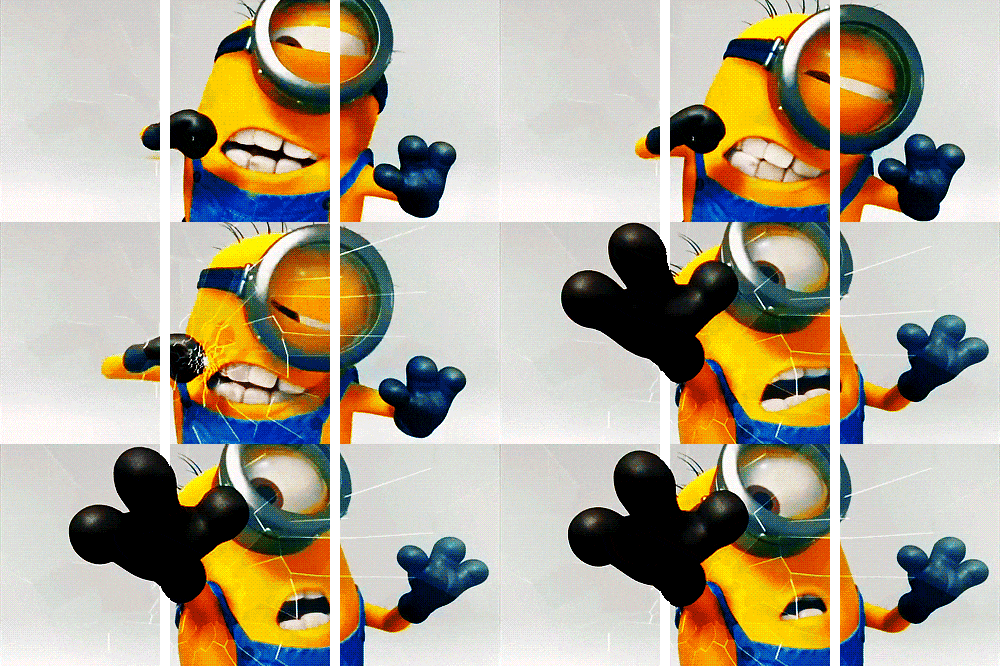
The versatility of this method allows animators to create lifelike characters that move realistically in their environments.
From blockbuster movies to immersive video games, the use of three-dimensional graphics has become increasingly popular due to its ability to captivate audiences with its stunning visual effects.
Choosing the Right Technique
When deciding between 2D and 3D animation, several factors come into play. The desired visual style and project requirements are crucial in making the choice.
For projects that aim for simplicity, traditional charm, or limited resources, 2D animation proves to be an excellent choice.
It offers a classic look that resonates with viewers and provides ample creative freedom for artists. It can be produced on smaller budgets and within tighter timeframes.
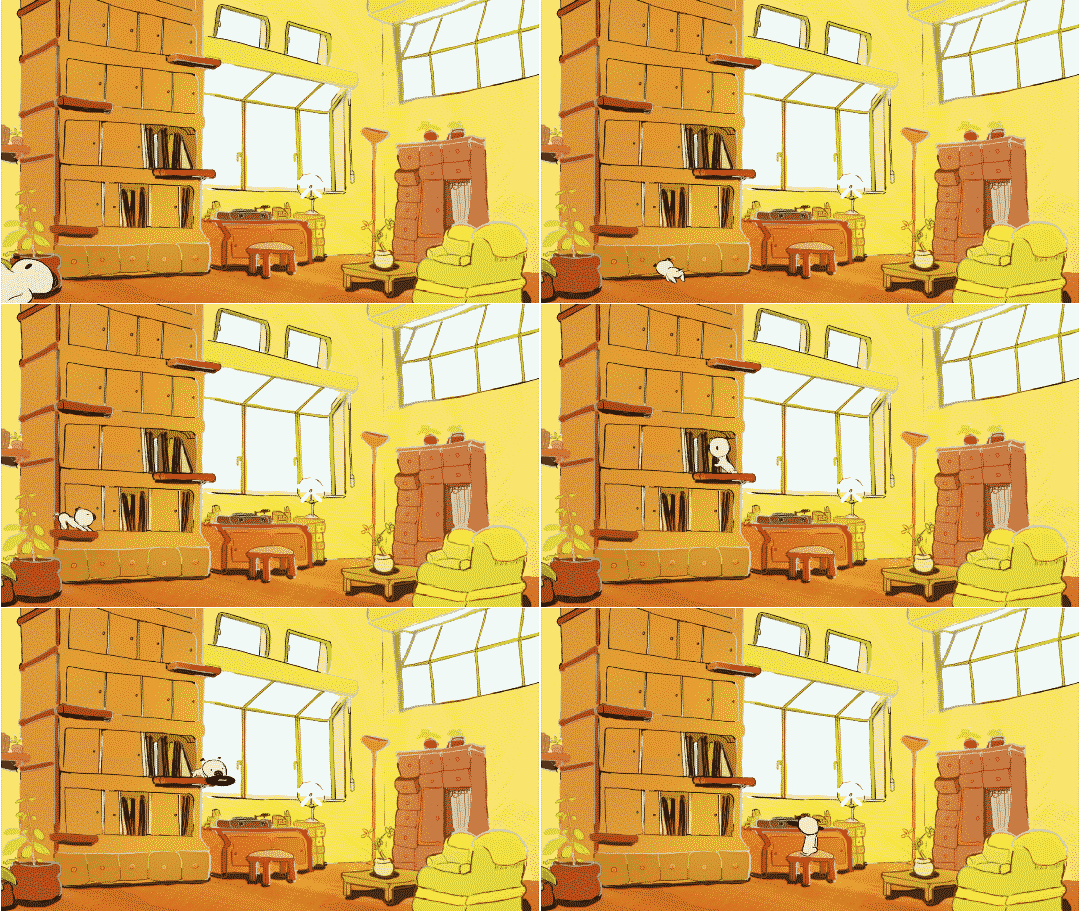
On the other hand, if depth, realism, and modern aesthetics are essential for your project, 3D animation is the way to go.
Its ability to create lifelike characters and immersive environments makes it ideal for movies, video games, architectural visualization, product design simulations, and much more.
Pros and Cons of 2D and 3D Animation
Advantages of 2D Animation
2D has its fair share of advantages. One prominent benefit is the lower production costs associated with this technique.
Unlike 3D animation, which requires complex software and hardware, 2D animation can be created using simpler tools. This affordability makes it an attractive option for independent animators or those working on a tight budget.
In addition to cost-effectiveness, another advantage of 2D animation is its faster turnaround time.
Since it involves creating movement in a two-dimensional space, animators can work more efficiently without worrying about rendering complex three-dimensional scenes.
This quicker process allows for shorter production schedules, making it ideal for projects with tight deadlines.
Furthermore, 2D animation provides an easier learning curve for beginners entering the world of animation.
The techniques used in 2D are often simpler to grasp compared to the complexities of modelling and rigging in 3D animation.
Aspiring animators can start honing their skills by mastering fundamental principles such as timing, spacing, and character design in a more accessible manner.
Benefits of 3D Animation
While there are significant advantages to 2D animation, it’s important not to overlook the benefits of opting for a three-dimensional approach.
One notable advantage is achieving more realistic visuals through detailed modelling and texturing techniques. With technological advancements, animators can create lifelike characters and environments that immerse viewers in captivating worlds.
Another strength of 3D animation is its greater control over camera angles and lighting effects. Animators can manipulate virtual cameras within their scenes, allowing them to experiment with different perspectives and enhance storytelling elements.
Precise control over lighting enables artists to create dynamic atmospheres that contribute to the overall aesthetic appeal of their animations.
Disadvantages of 2D Animation
While 2D animation has its merits, it has its fair share of limitations. One significant drawback is this technique’s limited depth perception compared to its three-dimensional counterpart.
Due to the absence of a third dimension, objects in 2D animations may lack the same level of depth and realism as those created using 3D techniques. This can potentially impact the overall visual experience for viewers.
Drawbacks of Working with 3D Animation
On the other hand, working with 3D animation involves certain challenges and drawbacks. One notable disadvantage is the longer production times required for creating complex three-dimensional scenes.
The meticulous modelling, rigging, and rendering of detailed characters and environments demand more time than the relatively quicker workflow of 2D animation.
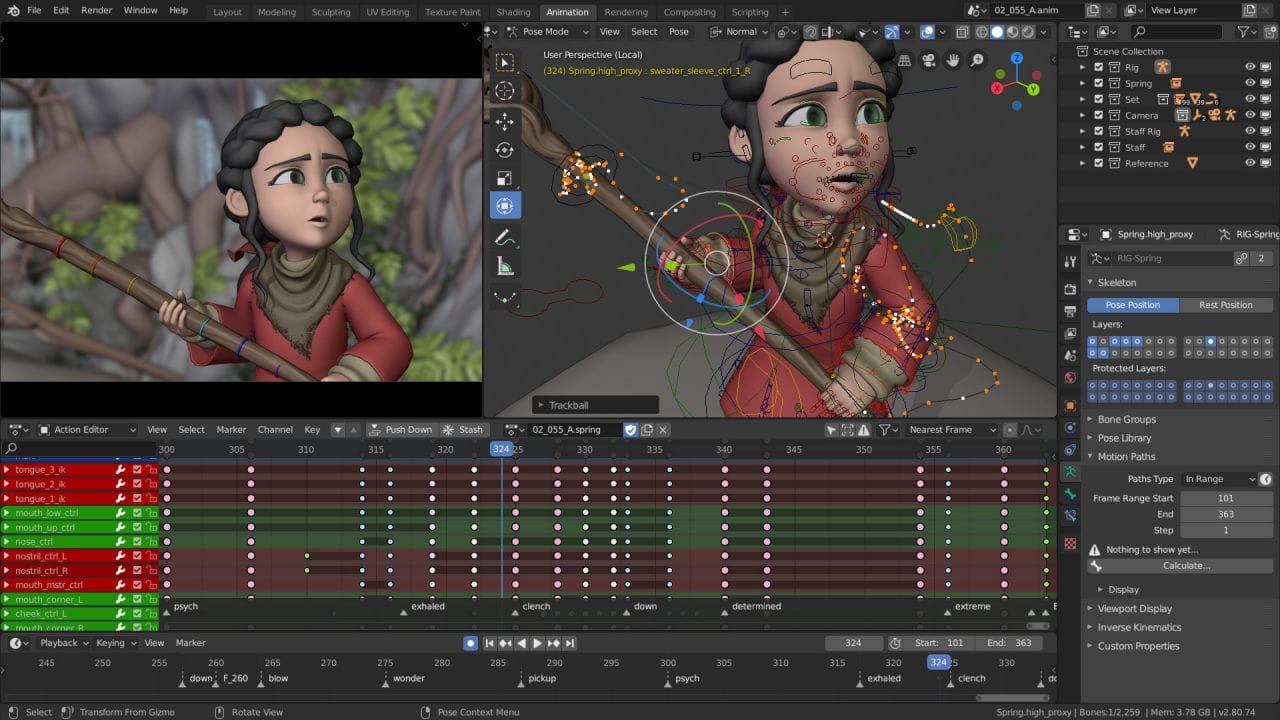
Opting for 3D animation often entails higher costs due to specialised software and hardware requirements. Advanced computer programs and powerful machines are needed to handle the complex calculations involved in rendering three-dimensional graphics.
These additional expenses can deter animators on a tight budget or independent artists seeking cost-effective options.
| 2D Animation | 3D Animation | |
| Advantages | Lower production costs | More realistic visuals |
| Faster turnaround time | Greater control over camera angles and lighting effects | |
| Easier learning curve | ||
| Disadvantages | Limited depth perception | Longer production times |
| Higher costs |
Comparing Difficulty: 2D vs 3D Animation
Mastering the art of animation requires dedication, creativity, and a knack for storytelling. Whether you venture into 2D or 3D animation, both mediums offer their challenges. Let’s compare the difficulty between these two animation styles and explore what it takes to excel in each.
Learning the basics of both 2D and 3D animation involves similar techniques. Understanding keyframes, timing, and movement principles are essential foundations aspiring animators must grasp.
While the learning curve for these fundamental skills may be comparable, achieving mastery in either style demands time, practice, and an eye for detail.
Creating complex movements is a challenge that animators face regardless of whether they work with traditional frame-by-frame animation or its three-dimensional counterpart.
In 2D animation, artists painstakingly draw each frame by hand to bring characters to life. This process requires precision and consistency to ensure fluid motion.
Similarly, in 3D animation, intricate movements need careful attention to detail as animators manipulate digital models within a virtual environment.
One crucial aspect that sets apart 3D animation is character rigging. Rigging involves creating a skeletal structure for characters to move realistically within the three-dimensional space.
Mastering this technique is paramount in achieving smooth animations with lifelike expressions and gestures. It requires understanding anatomy, weight distribution, and joint movement to breathe life into digital characters convincingly.
The overall complexity of 2D versus 3D animation varies based on personal preference, skillset, and available resources or tools.
Some animators may find themselves more comfortable working with traditional hand-drawn techniques, while others thrive in the digital realm where they can utilise advanced software applications.
Check out this video if you want to know more about this topic:
Essential Software and Resources for 2D and 3D Animation
Having the right tools is essential. Whether you’re diving into 2D or 3D animation, several software programs and resources can help bring your imagination to life.
Popular Software for 2D Animation
If you’re inclined towards 2D animation, a few industry-standard software programs are worth considering. Adobe Character Animator or Adobe Animate is widely recognized for its versatility and user-friendly interface.
With an array of powerful features, animators can easily create stunning visuals. Toon Boom Harmony is another popular choice among professionals in the field. It offers extensive tools for character rigging, frame-by-frame animation, and special effects.
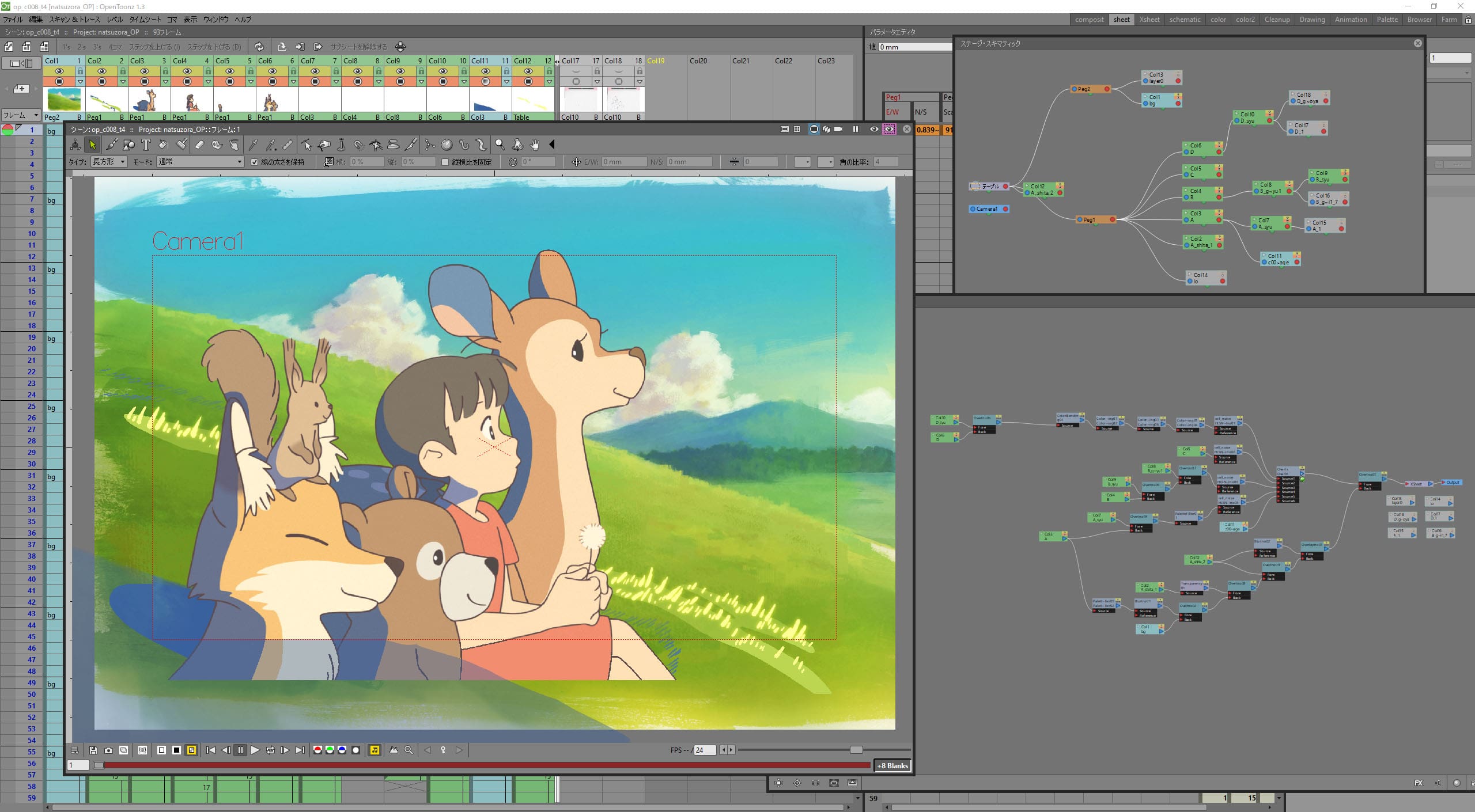
OpenToonz, on the other hand, provides a free alternative while still delivering impressive results.
Industry-Standard Software for 3D Animation
For those venturing into 3D animation, Autodesk Maya stands out as one of the most widely used software applications. Its comprehensive suite of tools enables artists to model intricate characters and environments while offering advanced rendering capabilities.
Blender is another noteworthy option that has gained immense popularity due to its open-source nature and robust feature set.
Cinema 4D caters to beginners and seasoned professionals alike with its intuitive interface and a broad range of functionalities.
Online Tutorials, Forums, and Communities
Learning any form of animation requires continuous improvement and exploration.
Thankfully, numerous online tutorials, forums, and communities provide a wealth of knowledge for aspiring animators.
Websites like YouTube offer an extensive library of video tutorials covering various aspects of 2D and 3D animation techniques.
Forums like Stack Exchange or Reddit allow animators to connect with like-minded individuals, seek advice, and share their work.
These resources provide valuable guidance and foster a sense of community among animators.
Essential Hardware for Efficient Workflow
Access to the right hardware is crucial to maximise your animation journey. In both 2D and 3D animation, a drawing tablet can significantly enhance your workflow by providing precise control over digital drawing.
Wacom Intuos Pro and Huion Kamvas are popular for their sensitivity and accuracy. A powerful computer is essential to handle the resource-intensive demands of animation software.
A high-performance processor, ample RAM, and a dedicated graphics card are key components when investing in a computer suitable for animation.
2.5D Animation: The Happy Medium Between 2D and 3D
There has always been a debate about the merits of 2D and 3D animation. Each style has its unique characteristics and advantages. However, there is a middle ground that combines the best of both worlds – 2.5D animation.
In 2.5D animation, two-dimensional characters are placed in a three-dimensional environment. This technique allows animators to create stunning visuals by blending the charm of traditional hand-drawn animation with the depth of three-dimensional space.
One of the key benefits of 2.5D animation is its flexibility in camera movements while maintaining the simplicity of working with flat images.
Animators can manipulate the camera angles and perspectives to create dynamic shots that would be challenging to achieve in traditional 2D animation.
Unlike full-fledged 3D animation, which requires complex modelling and rigging processes, 2.5D allows artists to work with pre-existing two-dimensional assets.
They can take their beloved hand-drawn characters and place them seamlessly into a three-dimensional world without compromising their original essence.
Here’s an example of a 2.5D video we created for our client:
The ability to add depth without fully committing to full-fledged 3D makes 2.5D an ideal choice for many projects. It balances visual appeal and production efficiency, making it suitable for various applications such as video games, commercials, and even animated films.
Imagine a scenario where you have a charming cartoon character you want to bring to life in an immersive environment but don’t want to lose its nostalgic appeal by transitioning it into full-blown CGI.
In such cases, 2.5D provides an excellent solution by retaining the character’s original design while enhancing its surroundings with depth and realism.
Moreover, 2.5D offers numerous creative possibilities. Combining two-dimensional characters and three-dimensional environments can create a visually captivating experience for the audience.
It allows for the seamless integration of special effects, realistic lighting, and intricate backgrounds while keeping the focus on the characters themselves.
Read More: Animation and Motion Design: What’s the Difference?
Animation Services: Do You Need Them?
Animation plays a crucial role. The choice between 2D and 3D animation techniques often arises, leaving businesses wondering if they should invest in animation services.
Let’s explore the benefits of hiring professional animators and whether your business truly needs them.
Saving Time and Ensuring High-Quality Results
Animation is a complex process that requires technical expertise and artistic skills. Hiring professional 2D animators from reputable animation studios can save you valuable time while ensuring high-quality results.
These experts understand the animation process and can efficiently handle even the most intricate projects.
With their proficiency in various animation styles, such as character animation, motion graphics, and cell animation, these professionals bring a wealth of experience.
They are well-versed in using cutting-edge software tools to deliver animations that captivate audiences across different platforms.
Focusing on Core Competencies
Outsourcing your animation needs allows your business to focus on its core competencies. While animations add tremendous value to marketing campaigns or product demonstrations, they may not be within your team’s skill set or area of expertise.
By leveraging the services of skilled animators, you can leave the creative work to experts who specialise in bringing ideas to life through captivating visuals.
Assessing Your Animation Requirements
While professional animators offer undeniable benefits for complex projects, it is essential to assess your specific needs before deciding whether outsourcing is necessary.
For simple animations or if you already have skilled animators within your team, it may be more cost-effective and efficient to handle the project internally.
To determine whether you need external assistance with your animations, consider project complexity, available resources, budget constraints, and desired quality standards.
Evaluating these aspects will help you decide whether outsourcing animation services align with your business goals.
Choosing Between 2D and 3D
In conclusion, when deciding between 2D and 3D animation, it’s important to consider your specific needs and goals. Both styles have their unique advantages and disadvantages.
Whether it’s a groundbreaking project or a creative masterpiece in the making, hiring or joining a 2D animation service like Bold Media can provide expertise, save time, and deliver high-quality results.
We’re here to turn your ideas into reality. Don’t wait any longer to see your vision come to fruition.
FAQs
Can I use both 2D and 3D animation in a single project?
Yes, combining elements of both styles within the same project is possible. This can add depth and visual interest to your animations.
Which style is more cost-effective?
Generally, 2D animation tends to be more cost-effective due to its simplicity and faster production times. However, the cost can vary depending on the complexity of the project and the expertise required.
Is one style better than the other?
There is no definitive answer as to which style is better. It ultimately depends on your specific needs, preferences, and goals for your animation project.
Can I learn 2D or 3D animation on my own?
Yes, with dedication and practice, it’s possible to learn either animation style independently. Numerous online tutorials, courses, and resources are available to help you get started.
Which style should I choose for my business promotion?
The choice between 2D and 3D animation for business promotion depends on factors such as target audience, brand image, budget constraints, and overall marketing strategy. Consider consulting with professionals or conducting market research to make an informed decision that aligns with your business goals.